)
Andy Warhol
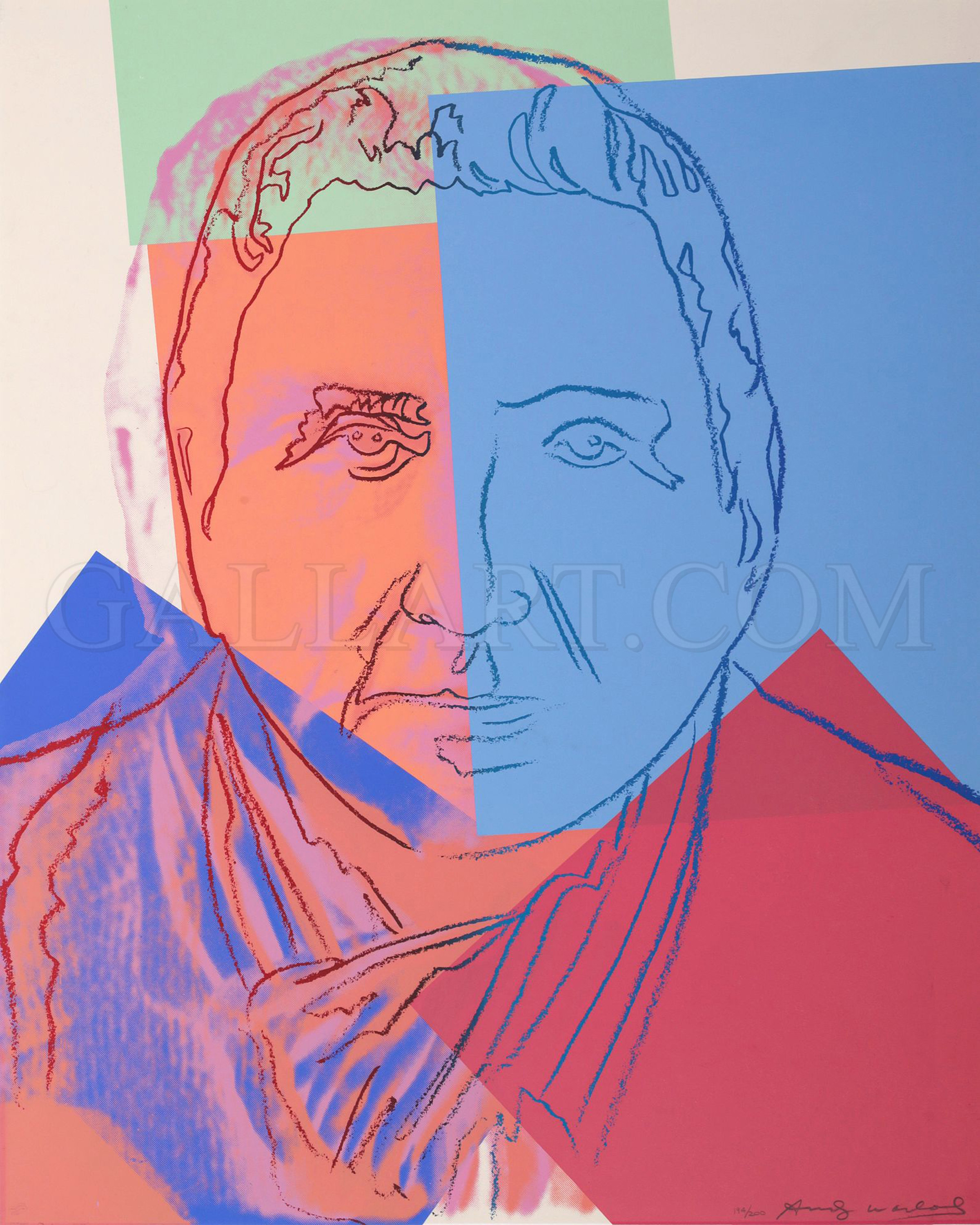
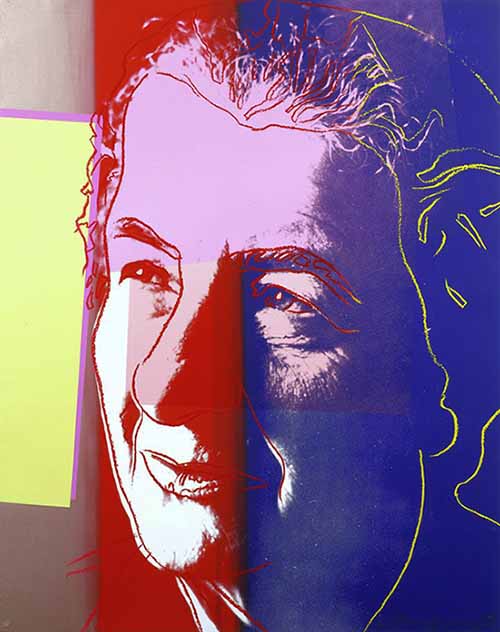
Albert Einstein FS II.229
$175,000.00
$150,000.00
Medium: Screen Print On Lenox Museum Board
Date: 1980
Edition: Of 200
Size: 40 x 32 inches
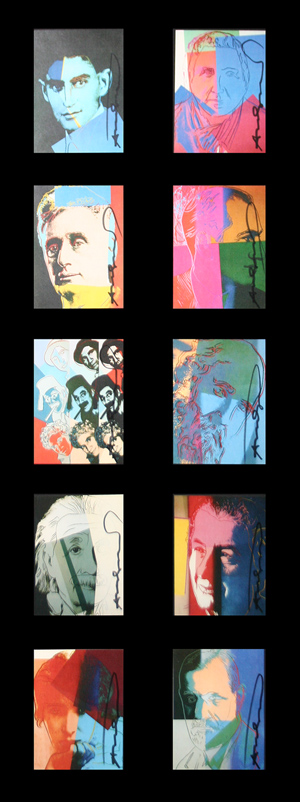
Additional Details: From the Ten Portraits of Jews of the Twentieth Century Portfolio. Hand signed and numbered in pencil by Andy Warhol. Published by Ronald Feldman Fine Arts, Inc., New York; Jonathan A Editions, Tel Aviv, Israel. Printed by Rupert Jasen Smith, New York. Artwork is in excellent condition. Certificate of Authenticity included.
Einstein (FS II.229) was created by Andy Warhol in 1980 and became a part of the Ten Portraits of Jews of the Twentieth Century series. This series contains a few of the most prolific Jews that lived in the 20th century. The German-born theoretical physicist, is one of the faces of the greatest thinkers not only of the century in question, but also to have ever lived. He broke ground in the the field of physics with his general theory of relativity, which provided more insight on gravitation, along with implications of the possibility of black holes. Albert Einstein is arguably one of the most recognized and celebrated physicists to ever exist.
Art ID: G18397
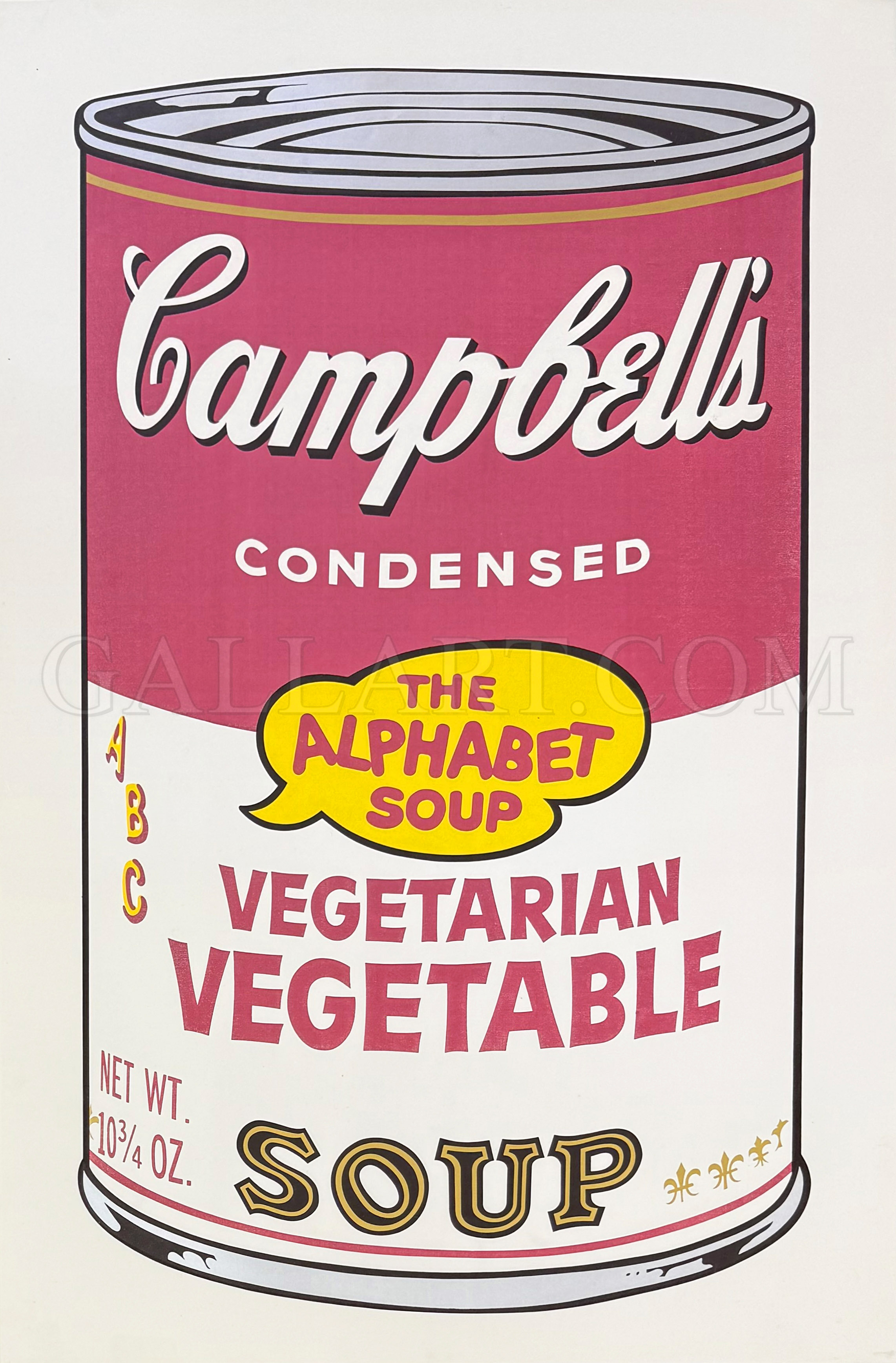
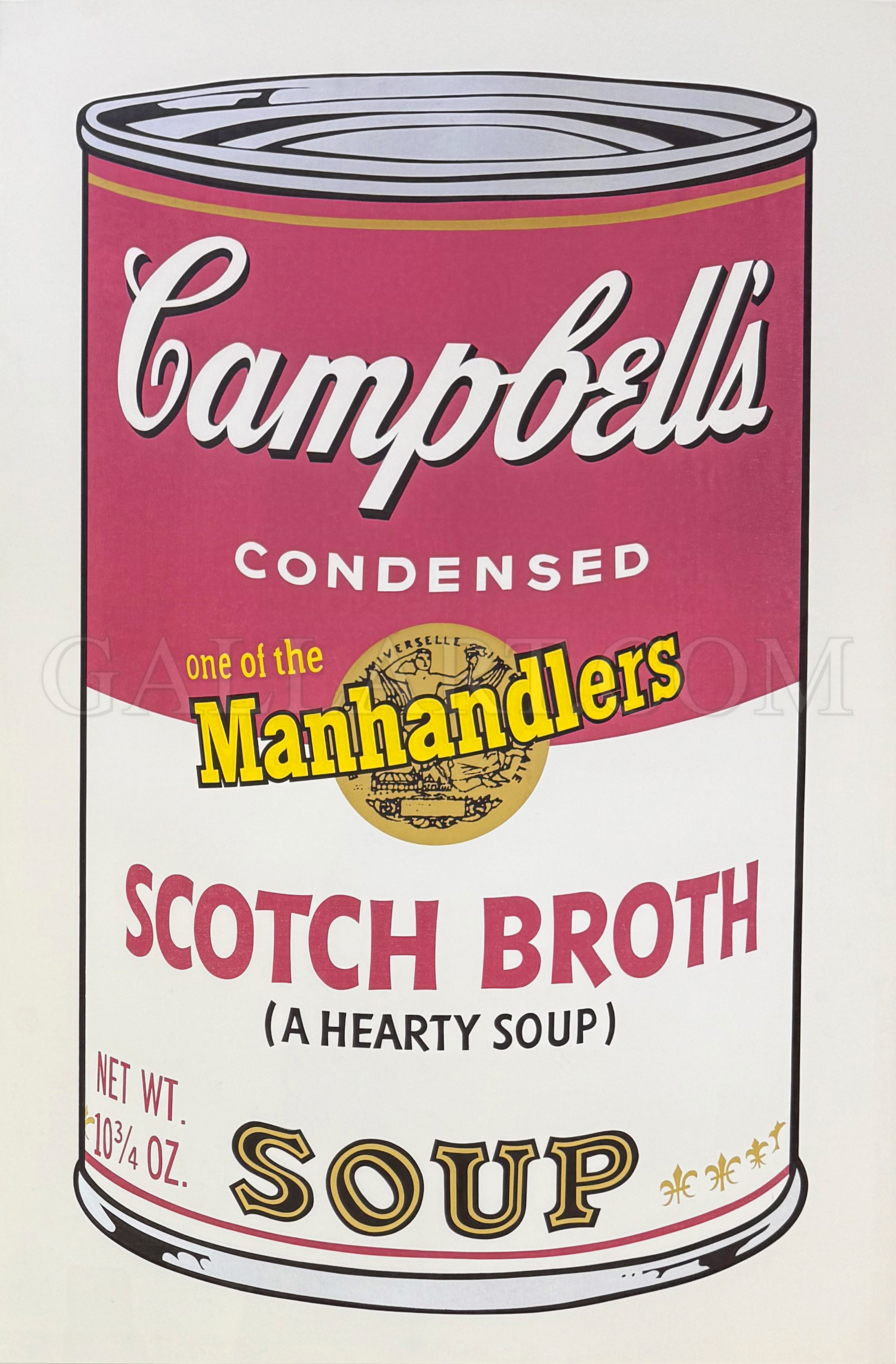
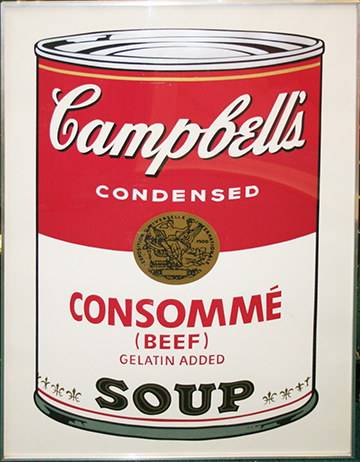
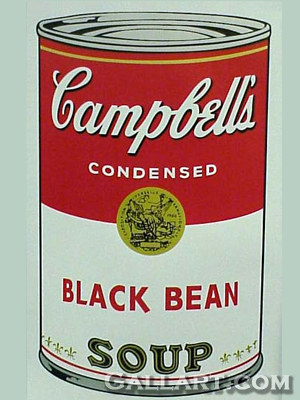
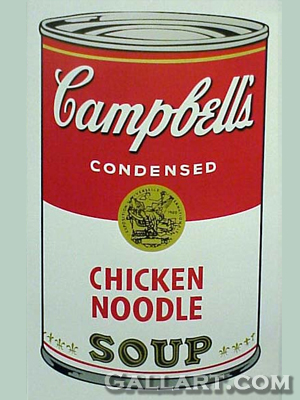
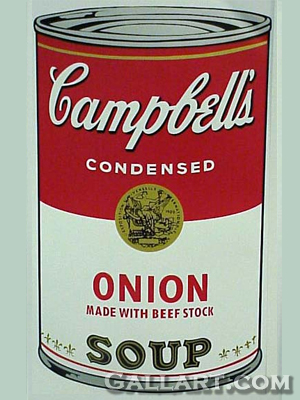
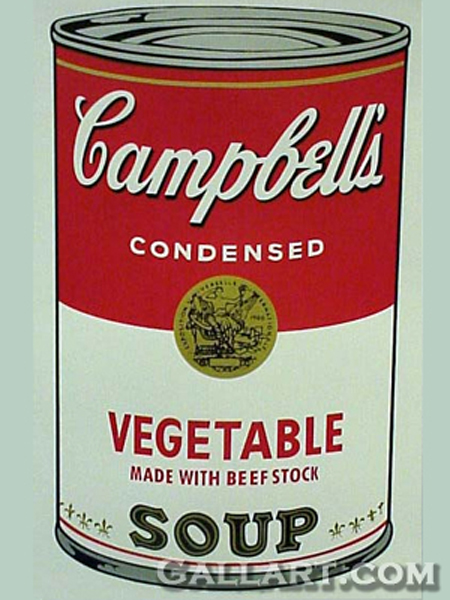
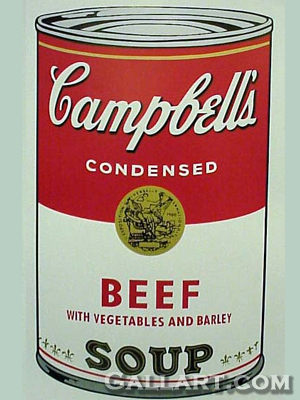
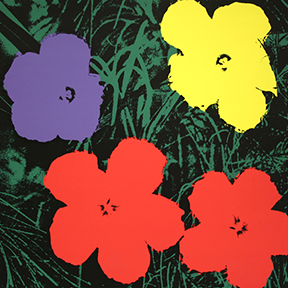
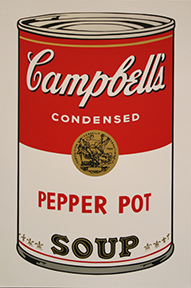
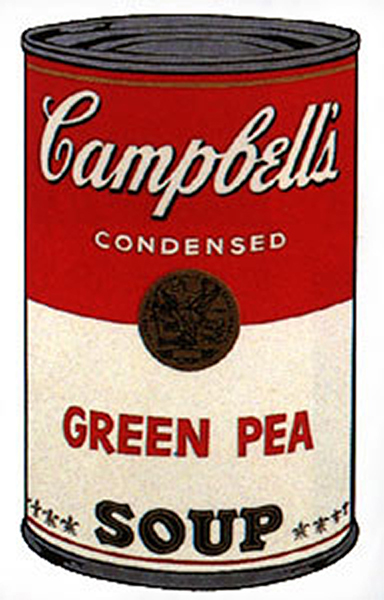
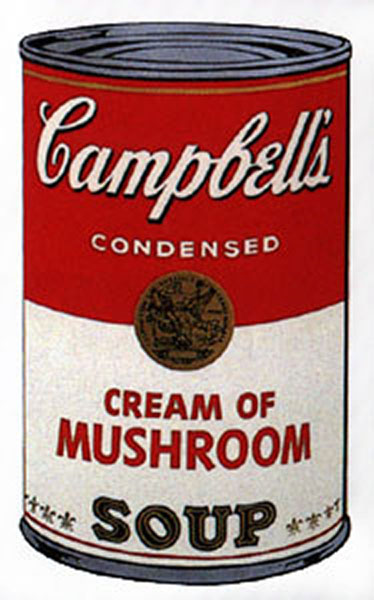
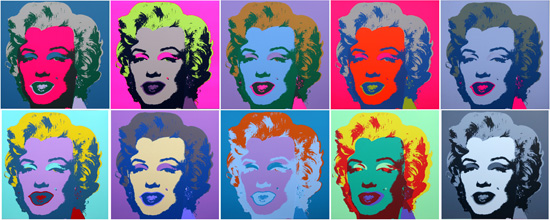
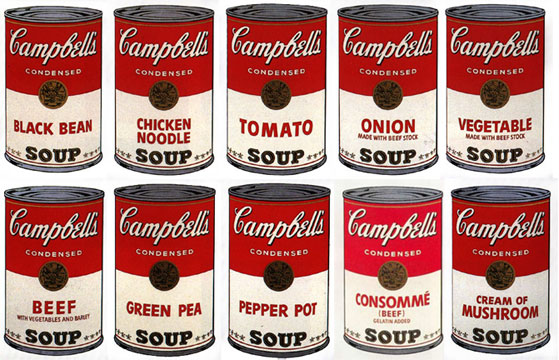
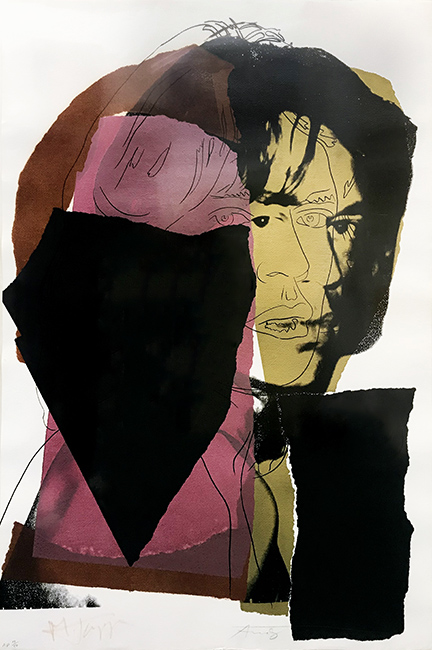
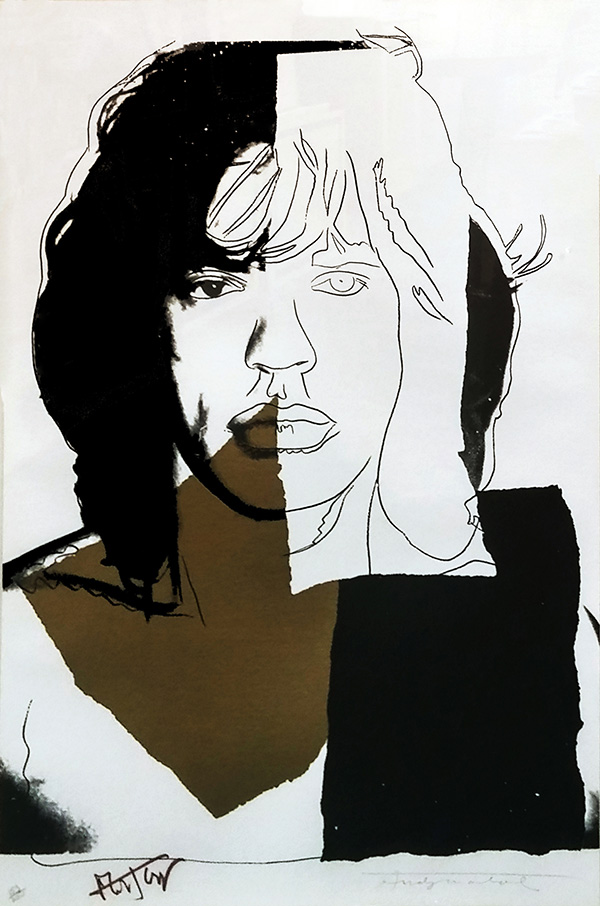
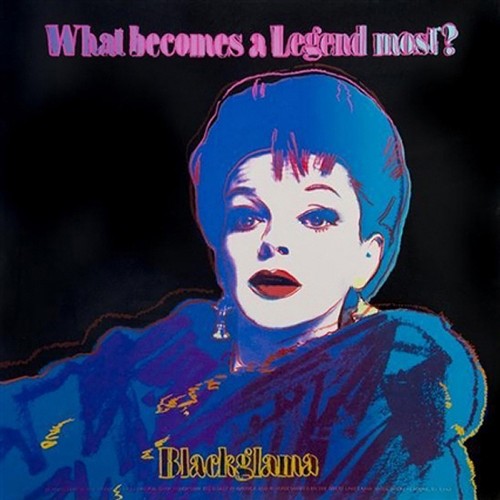
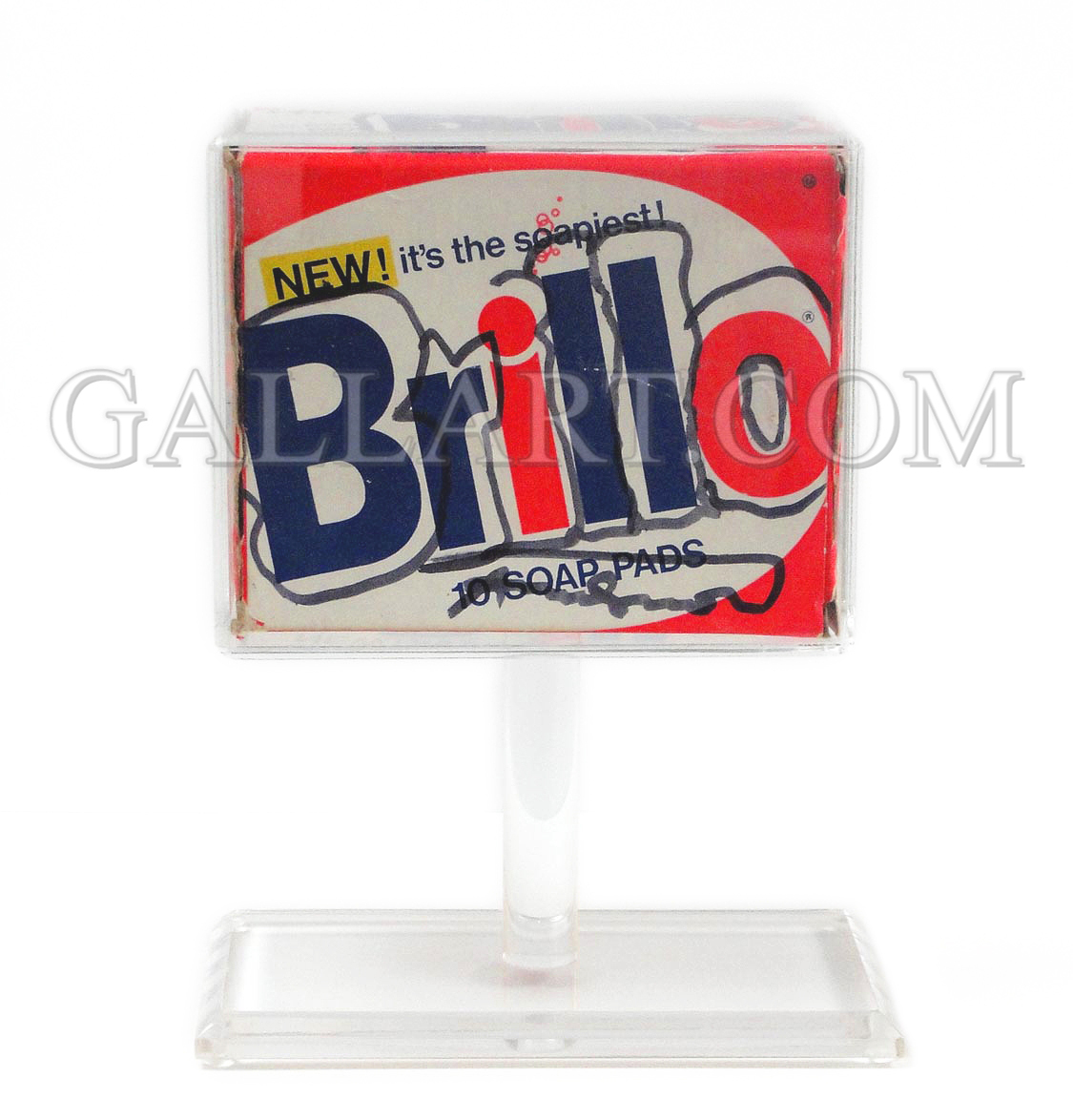
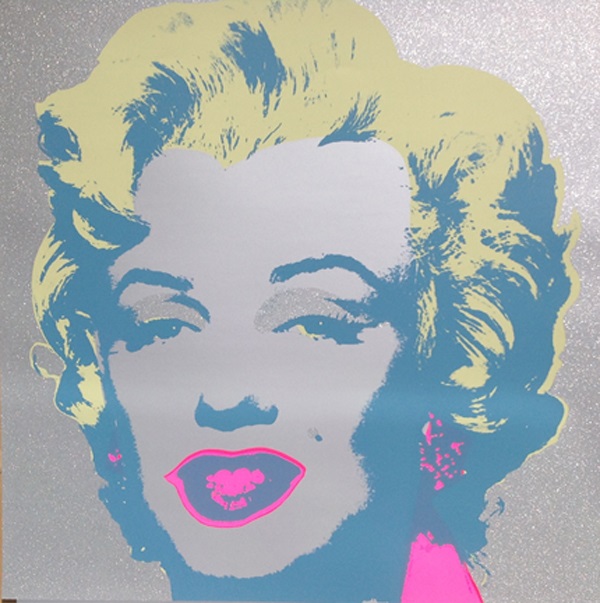
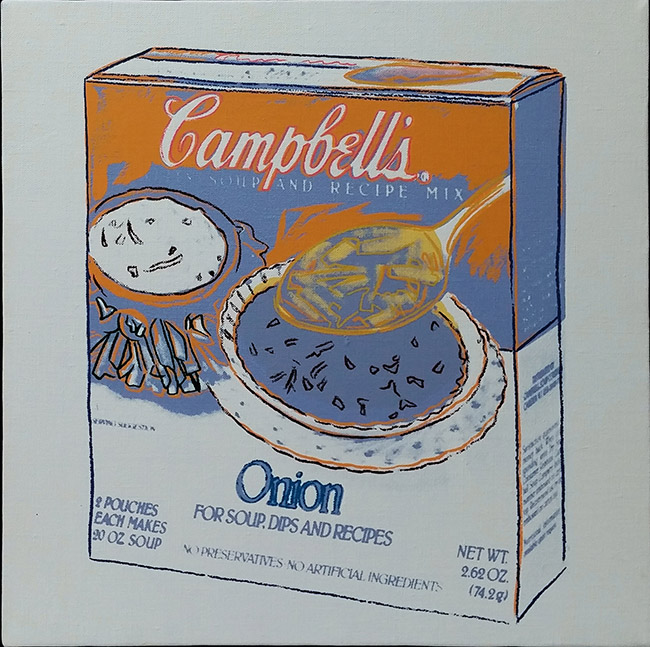
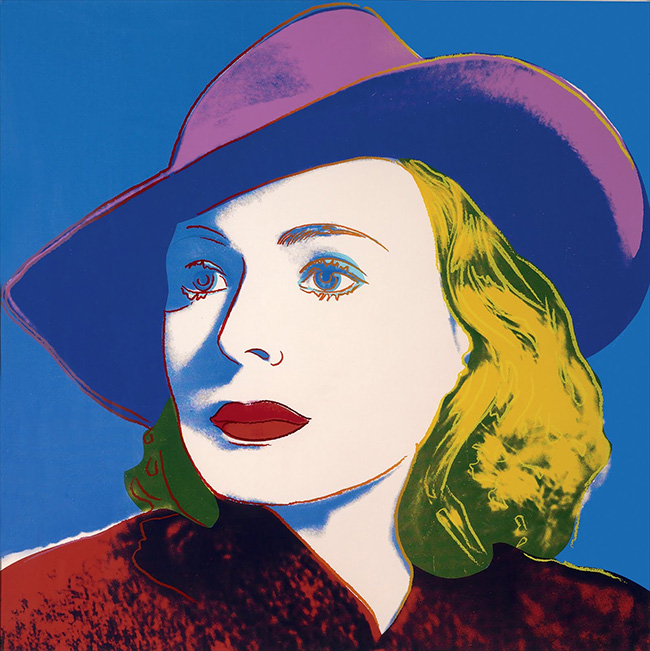
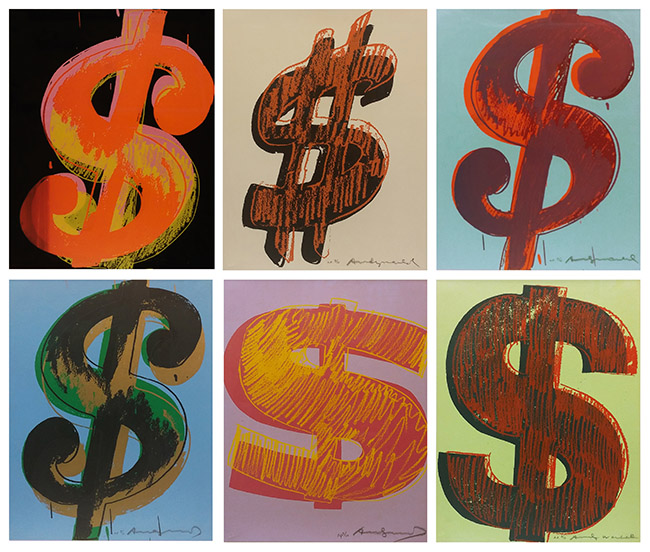
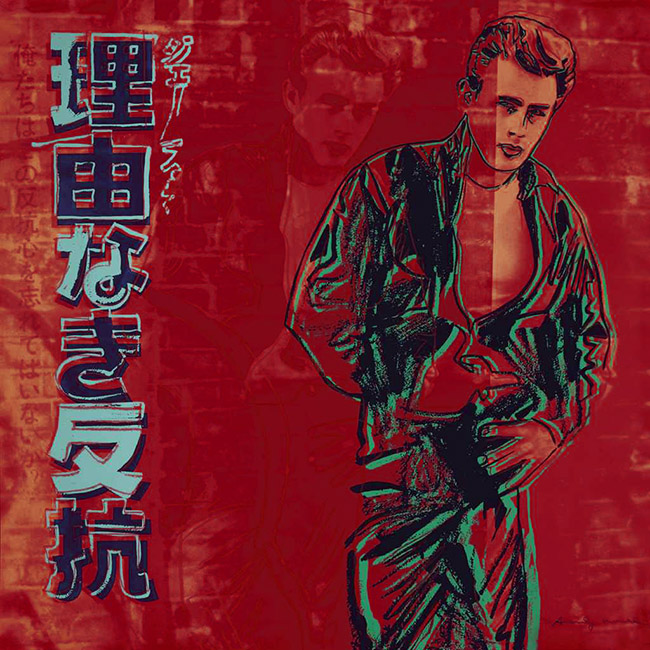
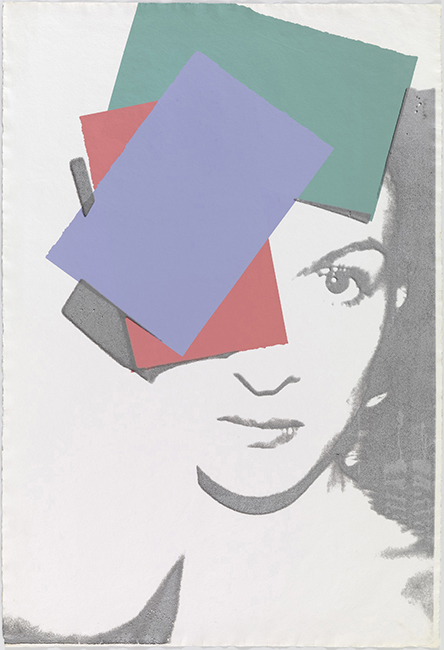
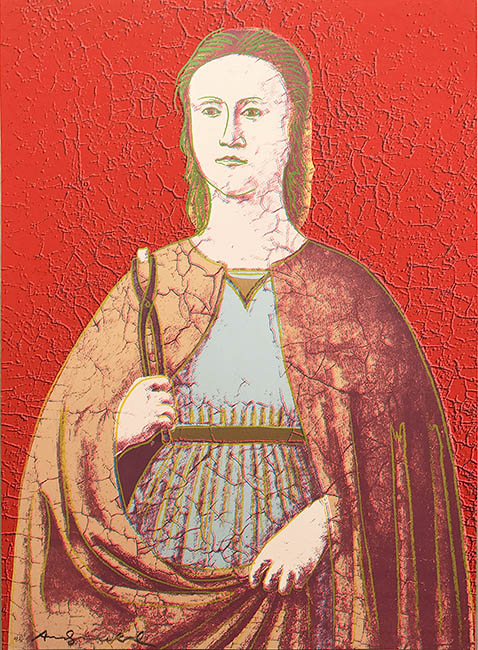
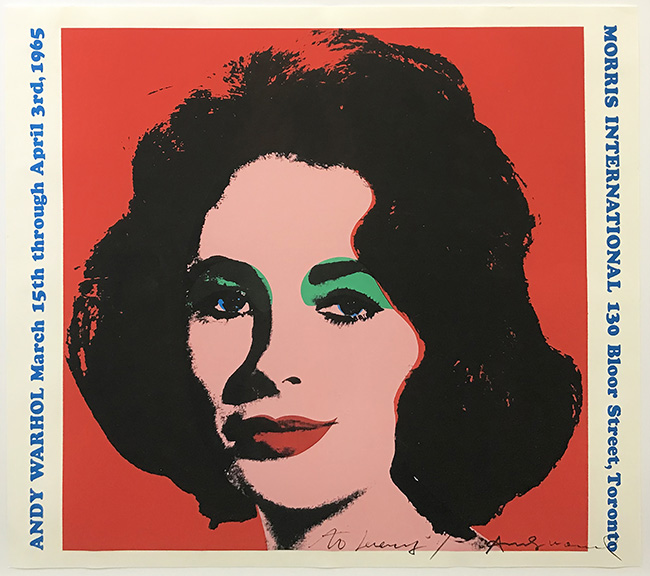
Andy Warhol was a leading figure in the Pop Art movement. Like his contemporaries Roy Lichtenstein and Robert Rauschenberg, Warhol responded to mass-media culture of the 1960s. His silkscreens of cultural and consumer icons—including Marilyn Monroe, Elizabeth Taylor, Campbell’s Soup Cans, and Brillo Boxes—would make him one of the most famous artists of his generation. “The best thing about a picture is that it never changes, even when the people in it do,” he once explained. Born Andrew Warhola on August 6, 1928 in Pittsburgh, PA, he graduated from the Carnegie Institute of Technology in 1949. Moving to New York to pursue a career in commercial illustration, the young artist worked for magazine such as Vogue and Glamour. Though Warhol was a gay man, he kept much of his private life a secret, occasionally referencing his sexuality through art. This is perhaps most evident in his drawings of male nudes from the 1950s, and later in his film Sleep (1963), which portrays the poet John Giorno nude. In 1964, Warhol rented a studio loft on East 47th street in Midtown Manhattan which was later known as The Factory. The artist used The Factory as a hub for movie stars, models, and artists, who became fodder for his prints and films. The space also functioned as a performance venue for The Velvet Underground. During the 1980s, Warhol collaborated with several younger artists, including Jean-Michel Basquiat, Francesco Clemente, and Keith Haring. The artist died tragically following complications from routine gall bladder surgery at the age of 58, on February 22, 1987 in New York, NY. After his death, the artist’s estate became The Andy Warhol Foundation and in 1994, a museum dedicated to the artist and his oeuvre opened in his native Pittsburgh. Today, his works are held in the collections of the Art Institute of Chicago, Museum of Modern Art in New York, and the Tate Gallery in London, among others. A major retrospective of Warhol's work took place at the Whiney Museum of Art in New York in 2019.